本片由扬·科马萨执导,讲述20岁的丹尼尔在青年管教所生活时所经历的精神转变。他想要成为一名牧师,但由于他的犯罪记录,这让他的理想变得不可能。而当他被送到一个小镇的木匠工作室工作时,他乔装成一名牧师,并阴差阳错地接管了教区。年轻、有魅力的传教士来到这个刚刚发生过悲剧的社区,社区的重建给了丹尼尔无限机会。
《梦想》是以露宿者世界杯为主题的电影,讲述的是面临球员生涯最大危机的足球选手弘大(朴叙俊饰)和生平第一次拿起球的特别国家队队员挑战露宿者世界杯的故事。IU饰演的是想要通过制作足球队纪录片而一举成功,所以将弘大急忙打造成足球教练的电视台PD“李素敏”。 露宿者世界杯是由“国际街头报纸网络”的组织所举办的国际性足球赛事,特点是参赛者全为无家可归的露宿者。
一宗牵涉两条人命的严重交通意外,揭开了令人震惊的秘密;一对母女被迫面对家族的伤痕,探索爱的定义,并重新认识彼此。 影片改编自《爱情,到此为止》原作者科琳·胡佛的同名畅销小说。
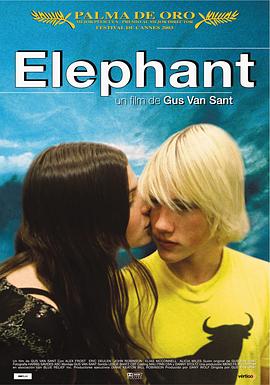
美国一所普通高中普通的一日,逃课未果的John(John Robinson),在父亲的逼迫下回到校园;喜欢摄影的Elias(Elias McConnell),在校园内外拍过一些人物和风景后,来到学校暗房冲洗照片;新交了女朋友的Jordan,正被与他有过关系的女孩纷纷议论着;被人冷落情绪异常低落的Michelle,来到学校图书馆帮助做工…… 校园高墙之外,时常受人欺负的“患难兄弟”Eric(Eric Deulen)和Alex(Alex Frost)正在家里午睡,他们对纳粹形象和暴力游戏非常迷恋,曾在互联网上订购了枪支。午睡过后,两人进行一番简单的策划,身穿美军野战装、手持冲锋枪走进校园,开始大开杀戒。
天生一双令男人趋之若鹜的魔性美腿,让富美子成为老富翁冢越的情妇。即使死后也想拥着富美子的美腿,冢越请来专做动漫公仔的外甥卯,要他做出一双与富美子一模一样的美腿;而原本只爱动漫人物的卯,也渐渐成为富美子美腿的俘虏。冢越与卯对富美子的爱欲越来越失控,让富美子濒临崩溃,进而做出惊人之举…
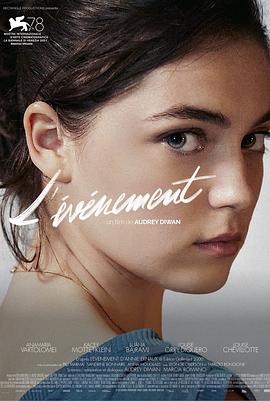
上个世纪60年代,法国禁止堕胎。高中女孩安娜因为一次放纵而不小心怀孕,因非法堕胎而面临的法律和生命危险,以及牺牲在学业和未来之间做出选择,寻求各种办法偷偷堕胎的故事。
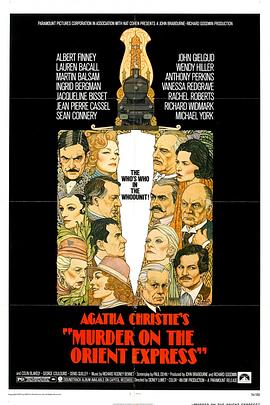
1930年,纽约发生了一起骇人听闻的绑票撕票案,主谋卡塞蒂携赎金逍遥法外。 5年后,侦探赫丘里·波罗(艾伯特·芬尼 饰)乘船渡过博斯普鲁斯海峡,并在朋友比安奇(马丁·鲍尔萨姆 饰)的安排下登上东方快车,去往伦敦。一日凌晨,波罗被隔壁10号包间的叫声惊醒。随后,因雪堆掩埋铁轨,列车被迫停于南斯拉夫境内。波罗再次睡下不久,又被吵嚷声惊醒。贵妇哈里特·贝琳达·哈伯德(劳伦·巴考尔 饰)声称10号包间的富翁雷切特(理查德·威德马克 饰)潜入了自己的11号包间。天亮后,雷切特的管家贝多斯(约翰·吉尔古德 饰)端来了饮料,却敲不开10号包间的门。列车员皮埃尔·保罗·米歇尔(让-皮埃尔·卡塞尔 饰)用钥匙开了锁,但是里面挂了门链。波罗与皮埃尔合力扳开门,发现雷切特口角流血死不瞑目。经医生康斯坦丁(乔治·库鲁里斯 饰)检查,雷切特被下了药,身中12刀,死亡时间为0点至2点间……
《人,空间,时间和人》讲述了一艘老军舰上不同年龄和职业的人之间发生的故事, 强奸,谋杀,兵变, 金基德没有给予片中的人物丝毫的放松时间。 电影中的所有人物既没有名字也没有背景,唯一重要的只有让人喘不过气来的“当下”。在一个戏剧性的人际关系的漩涡之中,一场关于食物和生存的斗争完全转向了荒诞。
影片讲述了一位纽约钻石店老板Howard Ratner(亚当·桑德勒 饰),他嗜赌成瘾,婚姻岌岌可危,还有一个对他不忠的女友(茱莉娅·福克斯 饰)。Howard Ratner欠Arno(埃里克·博高森 饰)钱,而打手们也一直威胁着让他还钱。当他买了一块价值数百万美元的稀有的未切割埃塞俄比亚蛋白原石,他觉得自己的霉运会就此终结。这块原石本来是打算拿去拍卖的,但当波士顿凯尔特人超级球星凯文·加内特走进宝石店,希望借走这块石头——它可以给他在NBA总决赛上带来好运——的时候,事态也就越发复杂了起来。
A District Collector in India deals with water shortage problems in a village when she comes to realize that people are suffering a lot.
一个人被过去痛苦记忆折磨的男人,逐渐发现或许时间并不是他所认为的敌人。光阴似箭,史蒂夫再也无法逃避他过去的梦靥,没有什么能停下他脑海中的噪音。面对世界的分离崩析,史蒂夫希望能扭转命运。 他找寻着自己孑然一身的缘由,或许还有希望。
身为MINI车主的改车人李奇,在一个雨夜冒然造访传说中的“迷面”意欲踢馆,却在面馆主理人老盖的点拨下,通过其他MINI车主的热爱,了解到MINI的迷人之处,不在于改或不改,而在于它承载了每个车主执迷不悟的热爱。
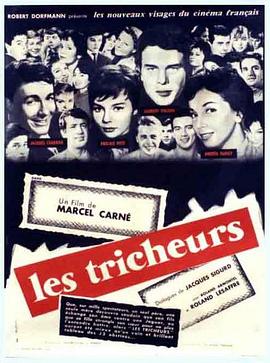
Middle class student Bob Letellier enters a new world when he meets Alain, a free-thinking rebel who, along with his group of young Parisians, has opted for a life of instant gratification instead of work and commitment. At a party, Bob meets a young woman, Mic, who appears to be just as carefree and cynical as Alain. Mic's only dream is to own a luxury car, and with Bob's help, she manages to find the money to but it. Mic's friend Clo discovers she is pregnant and, not knowing who the father is, she asks Bob to marry her. When they next meet at a party, Bob and Mic deny that they have any feelings for one another - a declaration that soon leads to tragedy... Marcel Carné is widely regarded as one of the standard bearers of French quality cinema of the 1930s and 1940s, responsible for such masterpieces as Quai des brumes (1938) and Les Enfants du Paradis (1945). How ironic then that, in 1958, towards the end of his film-making career, he should make a film which dared to portray the attitudes and behaviour of the 1950s youth, in a way that effectively captures the mood and sentiment of the time. Les Tricheurs was a hugely controversial film, not least because of its blatant depiction of adolescent free-love, and was even banned in some regions of France. It also received some intensely unfavourable reviews, most notably from the young hotheads on the Cahiers du cinéma such as François Truffaut who cited this film as a prime example of the decline of French cinema into mediocrity. In spite of all this negative press, the film proved to be an astonishing commercial success, attracting five million cinema-goers, and was awarded the Grand Prix du Cinéma français in 1958. Whilst Les Tricheurs is not as flawless as Carné's earlier masterpieces, it is nonetheless a significant work, having the power to both shock and move its audience, whilst having great entertainment value. It evokes the mood of its time in a way that few French films of this period did, depicting young people as pleasure-seeking rebels, rejecting the austerity and discipline of the previous generation whilst pursuing a life without cares, responsibilities or love. Similarities with James Dean's films of the 1950s (most notably Rebel without a Cause) are apparent, although Carné's treatment of young people is far more abstract - in his film they merely symbolise a world that has lost its way, more or less victims of post-war prosperity. Although the young people in Les Tricheurs lack the authenticity to be totally credible, the film does make an important, and indeed quite disturbing point, about where the permissive society may be heading. Much of the pleasure of the film is in the performances from its four lead actors, Jacques Charrier, Pascale Petit, Laurent Terzieff and Andréa Parisy, although only Terzieff is really convincing in his role. Marcel Carné originally considered Alain Delon and Jean-Paul Belmondo for the parts of Bob and Alain respectively, before opting for Charrier and Terzieff. As a consolation, Carné offered Belmondo a smaller part in the film - alas too small for the actor to be noticed by the public. Belmondo's breakthrough had to wait until the following year when he starred in Jean-Luc Godard's revolutionary A bout de souffle, a film which offers a very different perspective of the youth generation.