本剧根据王朔的同名小说《一半是火焰,一半是海水》改编。 香港,是一座充满罪恶的城市。王耀(廖凡 饰) 就是其中的一个无耻的皮条客,干的最多的事情就是假装成被带绿帽子的丈夫敲诈勒索和老婆偷情的男人。有一...
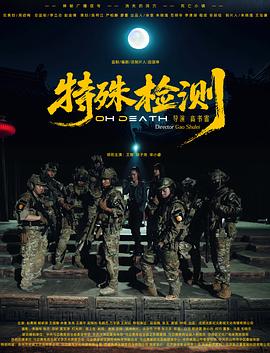
《特殊检测》是由成都光影纪元影视文化传媒有限公司申报的科幻题材网络电影
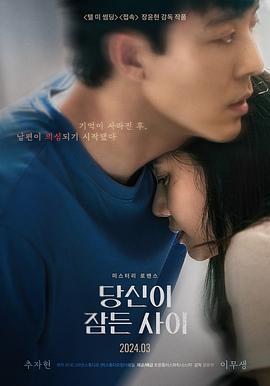
该片由曾执导过《连接》、《爱的肢解》等片的张允炫导演执导。秋瓷炫将在影片里饰演尹德熙,她和大学时代的恋人金俊硕(李武生 饰)结婚后,过着幸福的生活,但在经历了事故后,丧失了记忆。
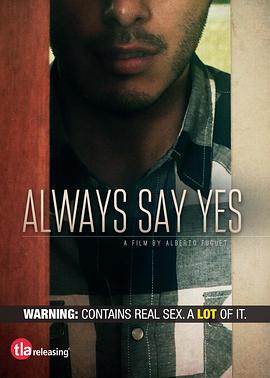
青年男子海克特来到墨西哥城,希望度过两天的放纵周末。他与死党约好拍艺术裸照,结果却被死党放了鸽子。海克特独自鼓起勇气,辗转在不同的声色场所,对所有艳遇一概说Yes,在放浪形骸中迎来一波又一波的高潮...
生活落魄的武行老罗(成龙 饰)有一匹爱马“赤兔”,他一直想把它培养成片场的动作明星,不料却深陷官司,只能求助多年未见的女儿小宝(刘浩存 饰)和她的律师男友乃华(郭麒麟 饰)。小宝一边帮老罗打官司,一边劝说他不要带着赤兔玩命做危险动作,老罗不顾女儿反对继续偷偷训练赤兔,同时又对准女婿乃华展开了各种考验……
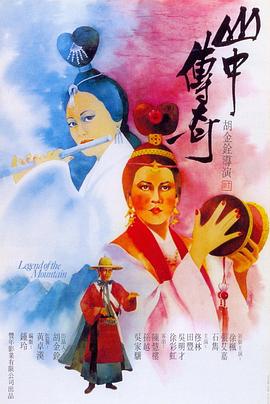
落第举子何云青(石隽 饰)受高僧所托,前往经略府抄经书。云青所抄之书乃《大手印》,相传此经能沟通阴阳两界,超渡亡魂。途中云青三遇神秘吹笛女子,几经周折后他来到经略府,受到参军崔鸿至以及老大娘王婆的热情招待。当夜,云青受邀到王婆府上吃饭,结识了一位妙龄少女乐娘(徐枫 饰)。此时有个番僧闯上门来,云青认得他是跟了自己一路的人,王婆很快把他赶走。席间,乐娘击鼓助兴,云青在鼓声中渐渐昏迷。 次日云青醒来,发现与乐娘共处一室,他不记得昨夜之事,乐娘却哭诉他们二人已经发生关系。王婆随即撮合二人成亲,结为夫妻后,云青与乐娘过上了神仙眷侣的日子,整天沉溺于床笫之欢中。然而这一切的背后,隐藏了一个极大的阴谋,王婆与乐娘,真实身份到底如何……
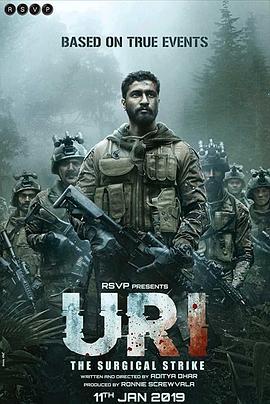
即将上映的2019年印度动作片,由首演Aditya Dhar编剧并由 Ronnie Screwvala在他的旗帜RSVP电影下制作。主演维基·卡肖尔,帕里什·罗尔,莫特·雷纳和雅美高塔姆,这部电影是根据2016年印度陆军对巴基斯坦的外科手术式打击作为报复乌里攻击的真实事件改编。
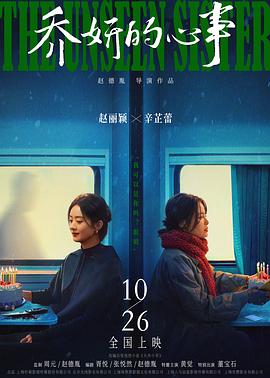
边陲小镇长大的乔妍(赵丽颖 饰)打拼多年之后成为了一名知名演员,但在重重压力之下,一路走来小心翼翼。随着一条匿名的勒索消息,让一桩尘封往事成为她新的阴影。同时,多年前失联的姐姐(辛芷蕾 饰)突然现身,事情看似巧合,但背后又暗藏更大的危机。 影片改编自张悦然的小说《大乔小乔》。
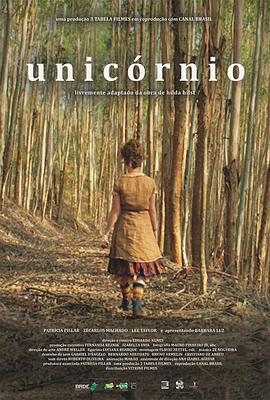
巴西儿童题材影片。根据作家HildaHilst的两部短片小说改编,该片以不同寻常的屏幕比例拍摄(2.83:1),一个13岁的小女孩和她的母亲住在一个与世隔绝的地方。他们正在等待他们的父亲和丈夫回来。但取而代之的是,另一个男人出现了,改变了母女之间的关系
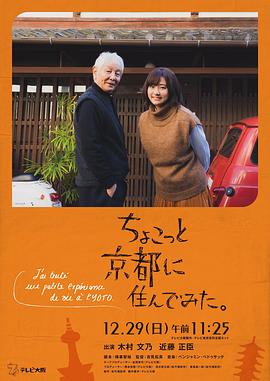
在东京生活的江东佳奈(木村文乃)为了照顾受伤的舅公只身来到了京都。在京都生活多年的舅公大贺茂(近藤正臣)给了外甥女一份自己精心手绘的地图方便她在京都出行。这幅地图记录了一个对父辈而言韵味十足,对年轻人而言新奇特别的京都。谈笑风生,闲情漫步,只有小住片刻才能感受到京都深处的风情。在不同的地方遇到不同的人,佳奈在舅公手绘地图的指引下,渐渐放下心中防备,融入京都。
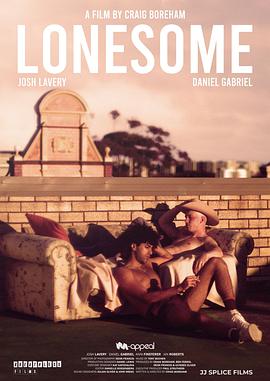
「此片最大亮點,就是以親密關係的角度,探討感情受創的陌生人,是如何藉由肉體關係打開彼此的心房。」——《好萊塢報導者》 牛仔凱西決定擺脫鄉村生活,來到繁華大都會雪梨。沒有任何當地人脈或豐富的資金,寂寞催化之下,決定透過交友軟體邂逅了提柏。不打算將關係貼上任何標籤,但隨著時間走去,兩人的關係越靠越近,帶來的卻是嫉妒、危險也隨之蔓延。 在《寂寞禁忌》中,導演克雷格・柏漢以大膽、不避諱的鏡頭語言,直白描繪其中的情慾意象和肉體情慾。同時也將五光十色雪梨夜生活,呈現得目眩神迷,令人目不轉睛。
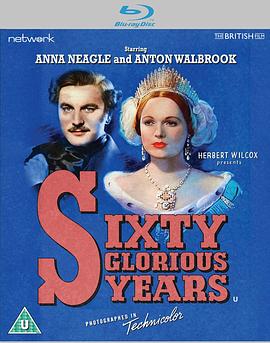
Sixty Glorious Years is an exercise in the creation of iconography, both for Victoria and its star, Anna Neagle (who subsequently became known as 'Regal Neagle'). Just as Elizabeth I commissioned artists to create flattering iconic images for public consumption, so this film performs a similar function, for Neagle is more beautiful than the real life Victoria. Controversial events (such as the 'Irish problem') are omitted and unpleasant aspects of Victoria's character (her petulance, arrogance, favouritism and 'right to privilege') are glossed over as endearing little 'whims'. Albert acts as a moderating influence when she goes too far. The film followed a year after the highly successful Victoria the Great (d. Herbert Wilcox, 1937). Again the screenplay is by Miles Malleson and Robert Vansittart, and many of the supporting cast (the cream of acting talent of period) repeat their roles, this time for the colour cameras. This was the first full length Technicolor film of cinematographer Freddie Young, who captures the spectacle of royal weddings, grand balls and opulent interiors, with scenes actually filmed at royal palaces. Vivid battle scenes, set in Alexander Korda's empire territory (Sevastopol and the Sudan), rival those in The Four Feathers (d. Zoltan Korda 1939). The title music sets the tone: a regal choir sings over a shot of the crown. Elgar's 1901 'Pomp and Circumstance' march is heard during the diamond jubilee celebrations and, as Victoria's coffin lies in state, the film concludes with Anthony Collins' stately music accompanied by the text of Rudyard Kipling's 'Lest we forget'. Combined with the emotional appeal of scenes of Victoria connecting with her 'ordinary folk', this is stirring stuff. The film connects with contemporary events of 1938. The release of two celebratory royal films was intended to boost public affection for the monarchy in the wake of Edward VIII's abdication. Anglo-German relations were another touchy subject. With another war on the horizon, influential voices wanted appeasement, and the film could be seen to fit that agenda. Victoria herself was of mainly German descent, nicknamed 'the grandmother of Europe', while Albert is a 'good German', charmingly played by Anton Walbrook as a cultured, decent man. Sixty Glorious Years now seems unduly formal and reverential. Had movies existed during Victoria's reign (they only emerged at the end) this might have been the kind of film produced. Unlike Mrs Brown (d. John Madden, 1997), it is all so very 'Victorian'. Roger Philip Mellor