展现了冯玉祥将军当年发动北京政变,推翻贿选总统曹锟,逐溥仪出宫等正义之举。
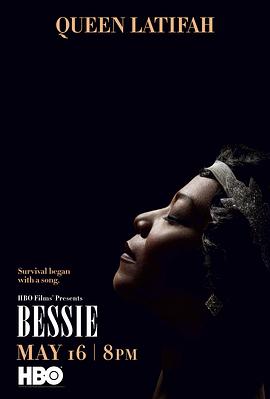
饶舌女歌手皇后拉蒂法女王饰演传奇蓝调歌手贝西史密丝,她精采而深刻的诠释贝西史密丝从努力奋斗的年轻歌手慢慢成为”蓝调天后”的心路历程。贝西是20世纪最成功的歌手之一,时至今日她的影响力仍然无远弗届。
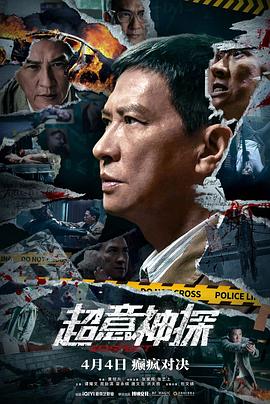
讲述了患有超忆症的重案组警察郭文斌利用自己的特殊记忆能力与罪案凶手斗智斗勇,最终揭开案件背后的悲剧真相并坚持正义原则的故事。
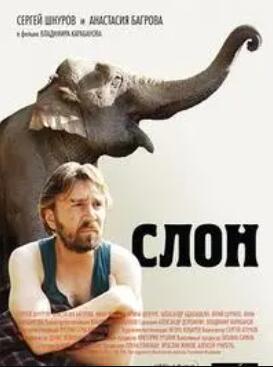
马戏团的大象在一次表演中无法站立,因此马戏团决定放弃这头大象而继续前往巴黎表演。在马戏团工作的女孩也被团长遗下,和运送大象去安乐死的货车司机,一路前行。一路上大象带给途人无数欢乐,而只有女孩和司机知道它的命运……
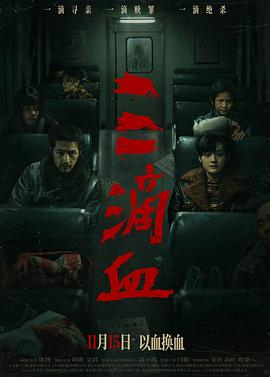
三,是家的最小单位。血脉,是维系家庭的纽带。然而,三个素不相识的人却被命运交织在一起! 善恶难辨的男人“驯鹿”,身怀六甲的女人李棋,哑巴男孩冰棍,三人假扮成一家人,游走于猎物与猎人之间,暗流已至,生死一瞬,一个关于家族式人口贩卖的黑暗链条逐渐浮出水面!
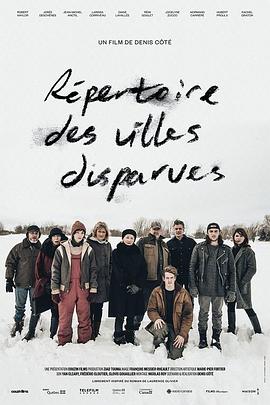
在一个仅有215名居民的封闭小镇Irénée-les-Neiges里,其中一位居民Simon Dubé死于意外车祸,这起悲剧也使得Dubé、镇长与其他镇民生活蒙上阴影。在这个充满哀悼与沉重的时候,迷雾中开始有陌生人出现在小镇,他们究竟是谁?
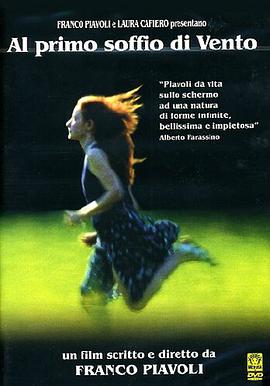
Using few words and gorgeous imagery, this is a poetic painting of a family, each in their own space on an August afternoon.
继承父亲遗产后于职场中杀伐决断、有所建树的中年女总裁,在爱情面前放弃独善其身的人生信条,同年轻下属走入婚姻殿堂,婚后发现丈夫与妹妹的秘密情事后毅然放手成全——影片的情节,如今看来已是老生常谈,但若论真正让本片熠熠生辉的原因,除了对于“社会性别期待“等经久不衰的议题的讨论,不可忽视的是主角波琳·弗雷德里克(Pauline Frederick)风趣、干练而又感人至深的表演。童年时期父母离异后被母亲抚养长大的波琳,自小便确立了演艺事业的理想,二十岁时便已担任巡回演出剧目的主角,虽然波琳·弗雷德里克在32岁时才出演了自己的银幕处女作——由休·福特和埃德温·鲍特指导的《不朽城》(The Eternal City, 1915),但她依旧是最早前往好莱坞发展的百老汇明星之一,后来也成为了最早接演“有声片”(波琳曾接受系统的声乐、表演训练)的知名演员之一。事业方面可谓风光的波琳,感情生活却不尽人意,前后共经历了五次颠沛起伏的婚姻,在第五任丈夫(婚后不到一年内)和母亲相继逝世后,波琳也因罹患哮喘而离世。曲折而不平凡的人生经历也或许赋予了她一种表演中的特质,帮助她塑造了一位女性兼具泼辣和敏感的银幕形象。 本片位列日本《电影旬报》1925年度十佳影片艺术类第六名。
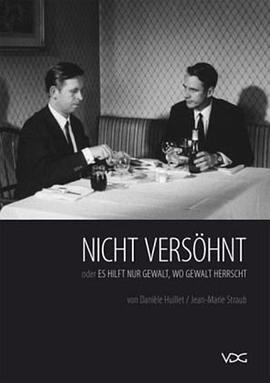
The subtitle of Jean-Marie Straub and Danièle Huillet’s first feature, from 1965, “Only Violence Helps Where Violence Reigns,” suggests the fierce political program evoked by their rigorous aesthetic. The pretext of the film, set in Cologne, is Heinrich Böll’s novel “Billiards at Half Past Nine,” which they strip down to a handful of stark events and film with a confrontational angularity akin to Bartók’s music that adorns the soundtrack. The subtlest of cues accompany the story’s complex flashbacks. The middle-aged Robert Fähmel tells a young hotel bellhop of persecutions under the Third Reich; his elderly father, Heinrich, an architect famed for a local abbey, recalls the militarism of the First World War, when his wife, Johanna, incurred trouble for insulting the Kaiser. A third-generation Fähmel is considering architecture, just as the exiled brother of Robert’s late wife, returns, only to be met by their former torturer, now a West German official taking part in a celebratory parade of war veterans. Straub and Huillet make the layers of history live in the present tense, which they judge severely. The tamped-down acting and the spare, tense visual rhetoric suggest a state of moral crisis as well as the response—as much in style as in substance—that it demands.
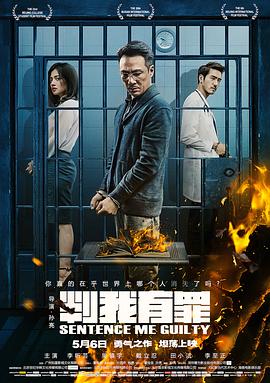
美艳忧郁的女医生冯雪辉(李昕芸 饰)对男性有种致命的吸引力,但她的丈夫方文楠(吴镇宇 饰)却以冷暴力相待,两人之间似有深深隐情,他们既是仇人又是同谋。 突然医院发生了一起惨烈的坠楼命案,由此牵出一场围绕金钱与欲望的黑幕,仿佛漩涡注定改变所有人——不得志的颓废刑警张越(田小洁 饰)视此案为事业翻身的最后机会而穷追不舍,却被冯雪辉利用引向她的目的;自负到病态的幕后黑手副院长康富荣(戴立忍 饰)早早设计圈套诱捕冯雪辉为替罪羊;暗恋冯雪辉的英俊正直的蒋力航(李至正 饰)其实是手握核心证据的人,但他被爱情深深伤害并亲手将冯雪辉投入监狱——漩涡中心里这个美艳的女人,她到底要什么?她为深藏一个不伦的秘密,她愿意付出任何代价,并誓将挡路的男人们击败,她的武器除了心计还有美丽的身体。
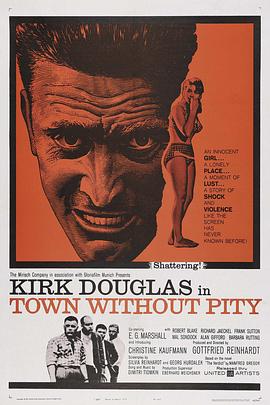
In 1960 Germany, Army lawyer Major Steve Garrett is assigned to defend four American soldiers charged with raping 16 year-old Karin Steinhof. She was swimming in a nearby river when the four of them came across her and they were soon arrested thereafter. Maj. Garrett is anything but impressed with his clients but his job is to give them the best defense possible. He tries to obtain a plea bargain but Karin's father flatly refuses and the prosecutor, Colonel Jerome Pakenham, is seeking the death penalty. In order for the death penalty to be applied, the defense attorney must have the opportunity to thoroughly examine the victim under oath. He sympathizes with Karin and does his best to convince Karin father to keep her from testifying. When he refuses, Garrett is left will little choice but to attack her on the stand. Written by garykmcd
出品单位: 武汉春晓文化传媒有限公司 马三斤年轻时外出创业,数年打拼成为有钱商人。15年后他回到家乡看到家乡面貌依旧,他决定留下来。 马三斤在村里与初恋情人小玉相遇,如今的小玉已是30多岁的少妇了,依然住在低矮的土房里,手上还带着当初马三斤送给她的桃核手镯…… 正当马三斤准备在家乡带领乡亲们大干一场,他在城里的靓丽的妻子杜月开着宝马车找来了……
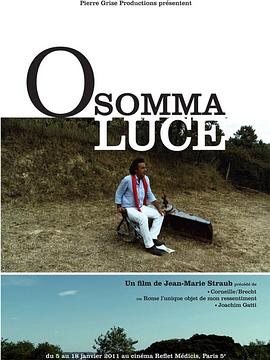
The lines start with “O Somma Luce” which is the title of the film and also the 67th line of the 33rd canto in “Paradiso” of Dante’s “Divine Comedy” to the end of “Paradiso”. The film is completed with music and lines instead of emotions and narrations. This is a recent attempt to combine film with literature. The film begins with a black screen and the music of Edgard Varese. The BGM is “Deserts” that was recorded in 1954. After some moments of darkness, the music ends and a middle-aged man sits on a hill, reciting something. He is Giorgio Passerone, an Italian literature professor, and he is reading out of the last part of ‘Paradiso’ of Dante’s Divine Comedy. Jean-Marie Straub expressed how he thinks of Dante through a subtle accent and dialect. The director who had encoded many great artists and musicians including Bach, complete the combination of Dante and Varese, which could seem strange. (Lim Kyung Yong)