16岁的Stephanie被指控谋杀了自己的新生婴儿,虽然她矢口否认,说自己根本不知道自己怀孕,是死胎腹中。法律心理学家Lydie想要查明事实后的真相,而她自己也刚好怀孕了,并在努力维持着自己的婚姻。Lydie总是有种不祥的预感怕胎儿会出事。在遇到逐渐了解Stephanie之后,她相信那解开命运的关键是自己,无论Stephanie,无论自身,于是两个女人,在各自生活中,彼此观望,明白和汲取……
刑侦大队队长程兵(张译 饰)带领的三大队在办理一起恶性案件的过程中导致嫌犯之一意外死亡,被判入狱。出狱后依然坚持以普通人身份追踪在逃嫌犯。 影片根据真实事件改编,原载于“网易人间工作室”作者深蓝的《请转告局长,三大队任务完成了》。
1927年,大量贫苦农民涌向台湾九份山区金瓜石,圆他们的淘金梦。憨厚的佃农阿助、阿尾兄弟随着淘金人潮来到九份,投租在寡妇阿柔的陋屋里。阿柔是位人称克夫运的可怜女人,她与阿助日久生情。淘金热的兴起,使九份充斥着走私与色情。日本方面派才俊柴田负责治理金矿的秩序。然而,矿工与妓院勾结,黄金交易日益猖獗,抗争事件纷乱迭起,才俊被杀。阿助与阿柔婚后不久病故,阿柔欲哭无泪,带着四个孩子及亡夫的牌位,落寞地离开九份……
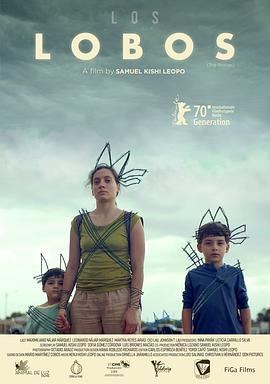
马克斯和里奥跟随母亲露西亚从家乡墨西哥移居到美国。她说他们会过上更好的生活,她还答应带他们去梦寐以求的迪斯尼乐园。现实的情况却是,孩子们每天被关在一个破旧狭小的房间里涂鸦,等待精疲力尽的妈妈下班归来。导演根据自身经历改编,描绘了一幅疏离而忧伤的童年画卷,以敏感而审慎的态度,勾勒出多元化社会及移民问题的痛点。
犹太裔美国妇女玛丽亚(海伦·米伦 Helen Mirren 饰)为讨回在第二次世界大战中被纳粹掠走的传家宝——《艾蒂儿肖像一号》,向年轻律师兰迪(瑞恩·雷诺兹 Ryan Reynolds 饰)求助,兰迪被名画不凡的价值与传奇的经历所吸引,决定陪玛丽亚追讨名画,这本是正义行为,但他们却发现奥地利当局使出种种手段,只为留住被视为“奥地利蒙娜丽莎”的国宝画作,玛丽亚与政府机器不屈不挠地抗争的同时,重回维也纳故地,掩埋超过半个世纪的痛苦记忆再度浮上她的脑海……
本片根据苏珊娜凯森的自传体小说改编而成。苏珊娜(薇诺娜·瑞德 Winona Ryder饰)本是正值花季的普通少女,却被诊断为“边缘精神错乱症”而送进了精神病院。虽然苏珊娜深陷现实世界的精神压力中饱受折磨,但在精神病院苏珊娜结识到了一群看似乖戾却不同寻常的新朋友。具有反社会人格的莉莎(安吉丽娜·朱莉 Angelina Jolie饰),带领患有说谎癖的乔治娜(克丽·杜瓦尔 Clea DuVall饰),对火深怀恐惧的珀丽(伊丽莎白·莫斯 Elisabeth Moss饰),不能当着他人面进食的戴西(布莱特妮·墨菲 Brittany Murphy饰)等其他女孩,做出了很多令人瞠目结舌的举动,这令医院管理人员头痛不已。苏珊娜逐渐融入了女孩们的“秘密活动”中。这一次次离经叛道的疯狂冒险,使她踏上了一场寻找自我的精神之旅。 安吉丽娜·朱莉因本片荣获第72届奥斯卡金像奖(2000)奥斯卡奖-最佳女配角。
「強くなりたい」と願いながらも、日々カンフー映画を見ては自分に重ね合わせ、強くなった気になっているだけのうだつの上がらない青年タカキ。密かに想いを寄せる映画館の受付嬢・悦子に「弱い男は嫌い」と言われ、意気消沈している矢先、アルバイト先の古着屋に現れた老人から、「強くなりたかったらこれを着ろ」と龍の刺繍が入った“スカジャン”を無理矢理売りつけられる。 訳も分からぬままそのスカジャンを着て帰る途中、タカキは人違いでヤクザに絡まれ、必死に逃げる。しかし、遂に追い詰められたその時、スカジャンの龍の目が光り、体が自分の意思に反して勝手に動き始め……。弱虫タカキの壮絶な戦いが、今、始まる!
河畔的绿茵丛中静静伫立着一张长椅。某个黄昏时分,这对久别重逢的青梅竹马在狭小的座椅上并肩而坐。他们交换着欲言又止却饱含温情的话语,细碎的话语间流淌着难以言明的微妙情愫。 这张承载着故事的长椅见证着人间百态:谈分手的情侣遭遇醉汉搅局,离家出走的姐姐与追寻而来的妹妹在此相逢,市政厅职员正谋划着拆除这座承载记忆的公共设施。 本片以一张长椅为原点,用多线交织的长篇叙事捕捉当代都市人稍纵即逝的生命片段,在方寸之间勾勒出浮世众生的情感光谱。
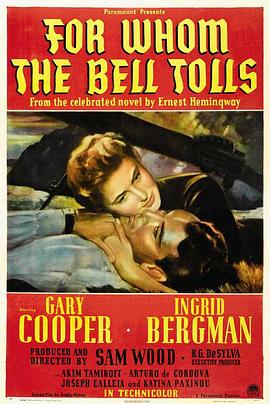
故事发生在1937年西班牙内战时期,在纷飞的战火之中,一位来自美国的名叫罗伯特(加里·库柏 Gary Cooper 饰)的男人,他的身影时常活跃在前线,带领着西班牙人民抗击当地法西斯的残暴统治。他们炸火车打巷战,打得敌人节节败退。 这一天,罗伯特接手了一个新的任务,和一支由民兵自发组成的游击队联手,炸掉敌人前来攻打必经之路上的一座铁桥。在此过程中,罗伯特邂逅了名为玛利亚(英格丽·褒曼 Ingrid Bergman 饰)女孩。玛利亚曾经是市长的女儿,过着幸福美满的生活,然而战争摧毁了她的家庭,不仅让她失去了父母,自己也惨遭侮辱。共同的革命信念让罗伯特和玛利亚很快就走到了一起。
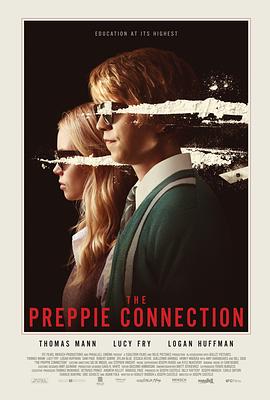
根据发生在1984年,一个私立高中生贩卖毒品给同学的真实故事改编。起初这名高中是只是想要交交朋友,没想到却建立起一个毒品的网络……
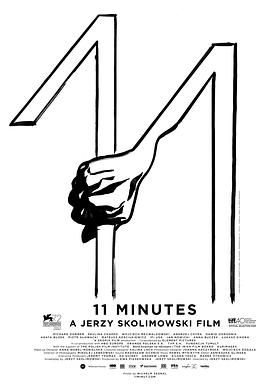
因为一场事故,年轻人、老人、富人、穷人……原本不相干的一帮华沙人的命运,在关键的11 分钟内,被联系到了一起。从此,他们的人生轨迹改变。
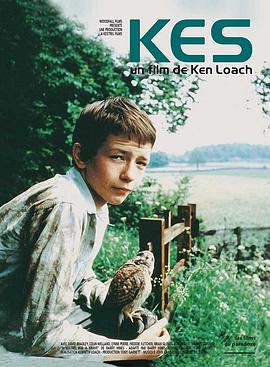
英国男孩比利•卡士柏(David Bradley 饰)生活在一个破碎的工人阶级家庭里,父亲离家出走,除母亲和哥哥外,比利也要打工贴补家用。在学校里比利捣蛋或者逃课看漫画书,从中找寻这个年龄应有的快乐。 某天他在农场高墙上发现一个鹰巢,于是从书店偷回训练猎鹰的教材,按照书本所写养了一只名为凯斯的小鹰…… 本片荣获1971年BAFTA电影奖最佳导演、最佳电影提名、最佳男配角、最佳新人、最佳编剧以及1970年卡洛维法利国际电影节水晶球奖。
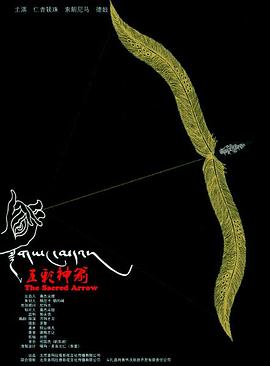
讲述青海尖扎地区的拉隆村和达莫村世代友好,两村向来有着传统射箭比赛的习俗。射箭世家的大儿子扎东已经连续两年输给了达莫村的神射手尼玛,无缘象征神射手的“五彩神箭”。怀恨在心的他阻扰尼玛与自己妹妹的恋情。两个村的孩子暗地里也在比试箭艺,长一辈则对传统渐渐的流失而担忧。尖扎县政府将要举办的一场大型国际射箭比赛,扎东和尼玛将代表各自的村庄争夺唯一的参赛资格……